Trust the reading
Identity, calibration, firmware and time stay attached to every reading.
Connecting one device is easy. The product begins after it ships, when coverage drops, firmware changes, and the service team still needs a trustworthy next action.
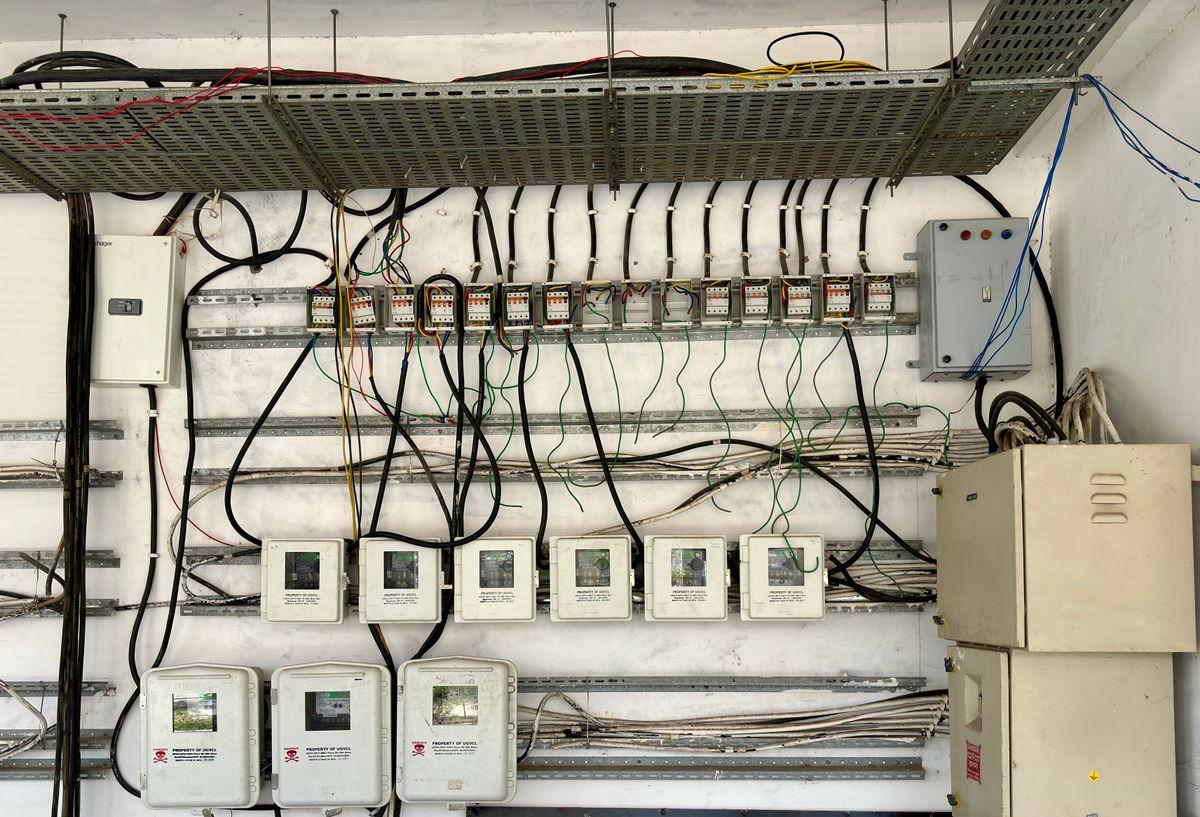
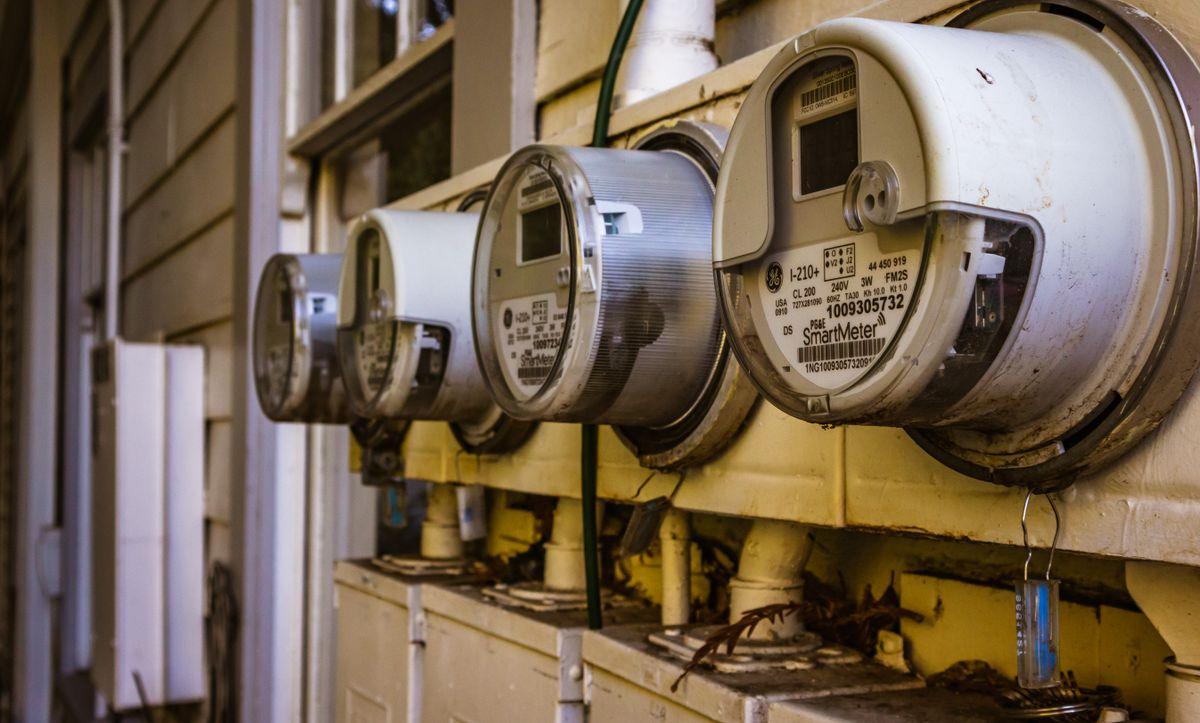
Best fit: metering, electrical equipment, industrial sensing, controllers, and gateways. See the OEM fit criteria.
A trusted signal raises the issue.
The service team gets a clear next step.
The job closes when the equipment works again.
The first demo usually looks fine. Trouble starts with the next firmware release, a week of bad coverage, or an alarm nobody owns. We design for those moments before they become field support.
Identity, calibration, firmware and time stay attached to every reading.
Roll out updates in groups, watch device health and recover offline units.
Acknowledge the alarm, assign the job and record what happened.
Connectivity, support, truck rolls, warranty and replacement must fit the model.
We design four responsibilities together, so the connected product does not break at the handoff between hardware, software, cloud, and service.
We define the field reality, user, and service promise before choosing the stack.
Every unit can identify itself, reconnect, update safely, and recover.
Customers see their equipment; your team sees fleet health and history.
Alerts reach an owner, open the right job, and close with proof.
Identity, readings, updates, alerts, and service history stay connected from factory to field.
Each case is labelled as production, delivered, or reference architecture. Projections stay marked.
Bring the equipment and service goal. In ten working days, we map the system and define the first pilot.
For industrial OEM teams with a product to connect
Device, cloud, apps, and integrations on one page.
What to build, test, measure, and price first.
Open risks, named owners, and the rollout path.
Production firmware and integrations are scoped after the Blueprint
Every stage ends with a decision: proceed, rework, or stop.
Decide what to build
Build planProve it on real equipment
Tests passPrepare updates and support
Team readyGrow the fleet in stages
Targets holdOperate, measure, and expand
Service healthyIn two weeks, know what to build, what the pilot must prove, and whether to proceed.
Paid · fixed scope · no commitment to a full build
We plan the recovery path before the first unit reaches the field.
The device keeps the readings and sends them when coverage returns.
The rollout stops. Working units keep working.
Support sees the unit, its history, and what changed.
The good ending
Your team fixes it sooner. Their operation keeps running.
Radio tradeoffs, failed updates, battery budgets, and the conditions behind every conclusion.
The first call is about fit and the decision in front of you. It is not a free design workshop.
One product, one service goal, and the decision holding it back.
No prepared deck required.The strongest fit is an industrial OEM with a repeatable product, an installed or planned fleet, and a service team that needs remote visibility, faster diagnosis, or a new connected offering.
Usually not. We map what already works, keep machine control where it belongs, and add only the device, data, and service pieces the product needs.
We focus on one product, one service goal, and the decision blocking progress. If there is a fit, the next step is a paid, two-week Product Blueprint.
A system map, a bounded pilot plan, named risks and owners, and a clear pilot, rework, or stop decision.
Yes. We agree deployment, data residency, export, access, branding, support, and exit rights before they become expensive to change.
Use 30 minutes to test the fit around one product and one blocked decision. If there is a fit, we will outline the two-week Product Blueprint.