MQTT & streaming
MQTT telemetry enters a validation and normalisation pipeline used across production fleets.
MQTT is the main telemetry path. Ingestion services validate each payload, map it to the device variable model, and update the live twin. HTTP and REST run alongside it for devices and applications that cannot maintain a broker connection.
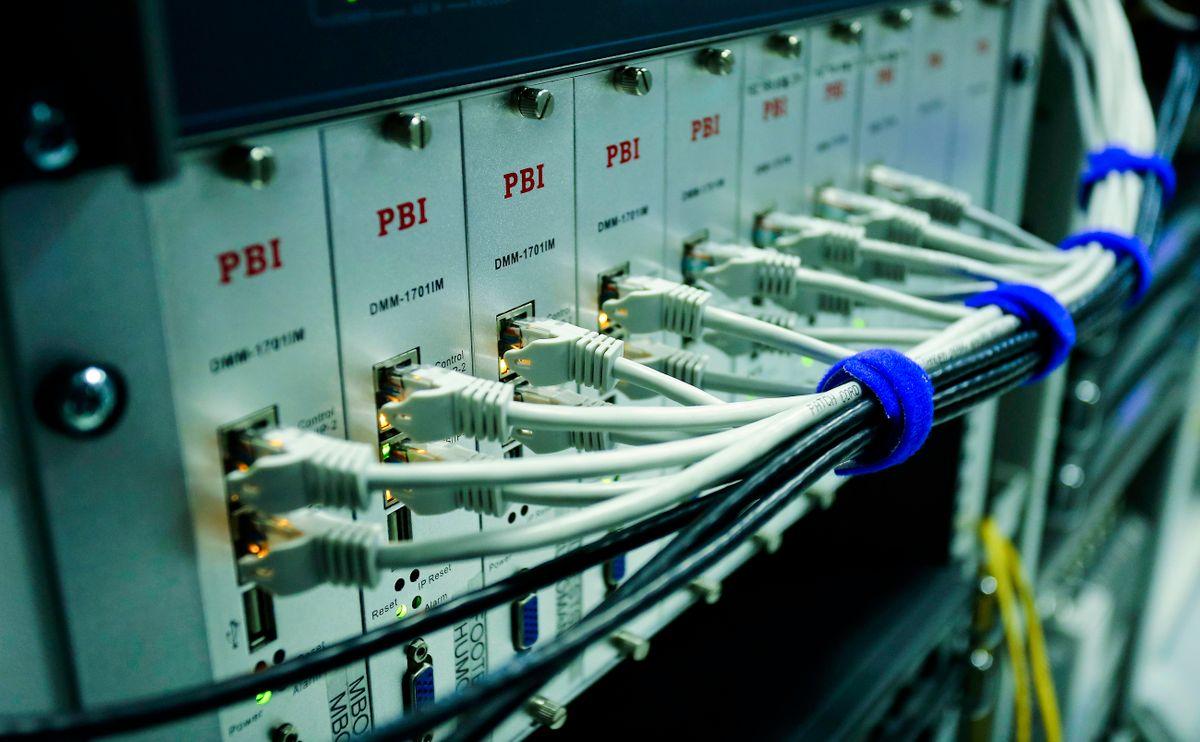
The data path, including the hand-offs that usually cause trouble.
Broker connect
The Device SDK connects over MQTT with TLS, configurable QoS, and last-will messages so presence is known the moment a device drops.
Ingest & normalize
Ingestion services validate payloads and map them onto the device variable model. Malformed data is quarantined with a reason rather than disappearing silently.
Stream to the twin
Normalized values update the live twin core; dashboards, rules, and AI models all read the same stream at the same moment.
Persist & replay
Messages are written to history with enough context for audits, model training, and post-incident replay.
Where teams use this integration.
Dashboards that match the plant floor
Low-latency updates keep the wall display close to the machine state, while event timestamps expose data that has gone stale.
Know a device is down before the customer does
Last-will presence marks a silent meter when it drops, giving operations a chance to investigate before a complaint arrives.
One ingestion path from pilot to fleet
The same ingestion path serves small pilots and production fleets, so scale does not require replacing the device contract.
Want this wired into your stack?
Bring the source system, target system, and security constraints. An engineer will map the interface and the unresolved questions.